


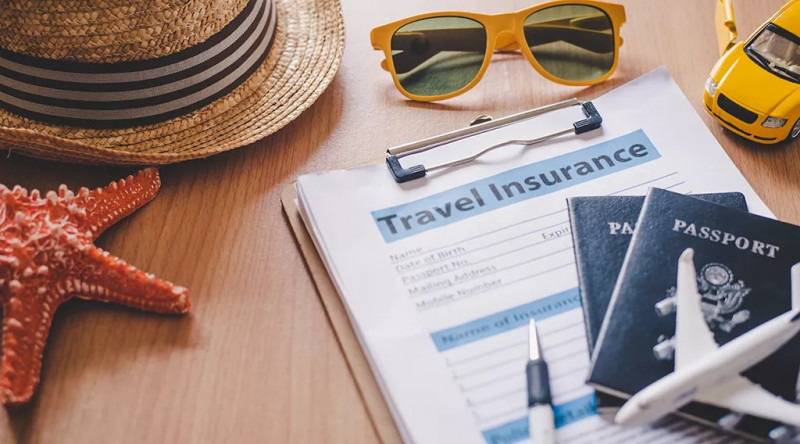
Healthcare in Thailand is at two poles. State hospitals are overcrowded and often inconvenient for tourists, while private clinics in resorts (e.g. Bangkok Hospital in Phuket or Samui) resemble 5-star hotels. They are top-notch, modern, but extremely expensive. A simple appendectomy or treatment after a motorbike fall can cost thousands to tens of thousands of euros. Going to Thailand without quality travel insurance is therefore a huge gamble.
What to look for when choosing insurance?
1. Amount of medical expenses: Do not go below €100,000
Forget basic packages with low coverage. When traveling to Asia, look for insurance with medical expenses of at least €100,000, ideally unlimited. The reason is not only the cost of treatment on site, but also the possible repatriation flight. If you have to be transported back to your country by special transport in a serious condition, the costs will immediately exceed the usual insurance limits.
2. Tourist Trap: Insurance and Scooter Riding
Renting a scooter is a national tourist sport in Thailand. It costs a few euros and gives you freedom. However, this is where most insurance claims arise and insurance companies refuse to pay.
For your insurance to be valid even in the event of a motorcycle accident, you must meet strict conditions:
Driver's license
Most scooters in Thailand have an engine capacity of 110cc to 125cc. In Thailand and according to the insurance companies' conditions, you need a motorcycle driver's license and an International Driver's License. If you don't have them the insurance company will consider it as if you were driving without a license and will not pay a cent.
International Driving Permit (IDP)
The Thai police require it, and so does the insurance company. You can get it before coming to Thailand for a small fee in your country.
Helmet
Riding without a helmet is not only dangerous and subject to police fines, but it is also a reason to reduce your insurance benefits.
Tip: If you don't have a license for a large motorbike, it's better to use taxis (Grab, Bolt) or songthaews (local shared taxis). The risk is too high.
3. Adrenaline and sports: Are you a "recreational" athlete?
Are you planning to go scuba diving, rock climbing on Railay Beach, or try Thai boxing? Basic insurance usually only covers swimming and snorkeling.
Scuba diving is often categorized as a high-risk sport. Check to see what depth your insurance covers you (often only up to 10 meters or only with an instructor). If you are planning more extreme activities, be sure to purchase high-risk or extreme sports insurance.
4. Alcohol and insurance benefits
Thailand is a great place for nightlife. However, keep in mind the "zero tolerance" policy of insurance companies. If you have an accident (even if it's not your fault, such as tripping or being hit by something) and the medical report shows that you have alcohol in your blood, the insurance company has the right to refuse to reimburse you.
5. Assistance service is key
Before you travel, save the number of the assistance service in your mobile phone. In case of hospitalization, always call the assistance service first. The operators will direct you to a contracted hospital, where you will not have to pay in cash (the hospital will invoice the insurance company directly). Otherwise, they may ask you for thousands of euros in advance before the procedure.
Travel insurance to Thailand costs about the same as a nice dinner for two for two weeks. It's not worth saving on it.
Checklist before taking out insurance:
[ ] Coverage of medical expenses of at least €100,000 (including COVID-19).
[ ] If I want a scooter: Do I have a category A driver's license and an International Driving Permit?
[ ] Am I insured for risky sports (diving, trekking)?
[ ] Do I have a number saved for assistance?


